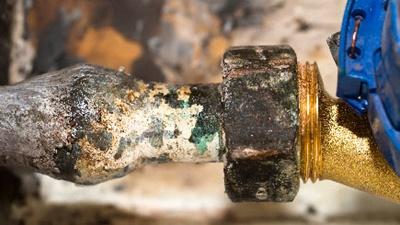
Water service lines are the underground pipes that connect home plumbing systems to public watermains. Water service lines can be made of plastic, copper, galvanized steel or iron, and lead, and metal pipes may use lead in soldered joints.
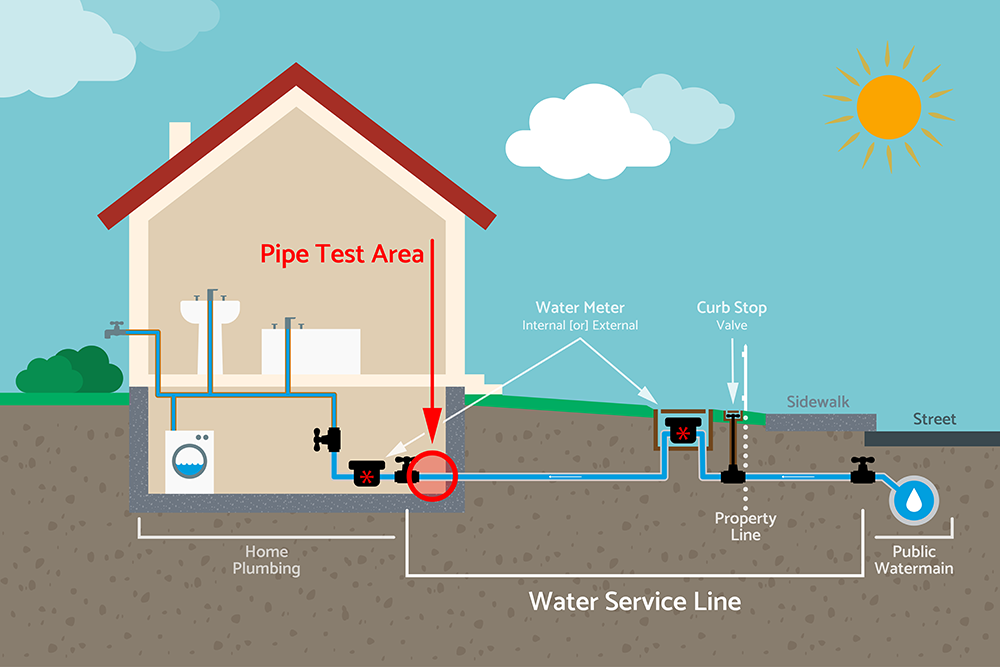
Lead Service Lines (LSLs) were installed up until the 1980s, and while many have been replaced, there are still large numbers in use. There are limited records on water service lines on private property as many were installed decades ago and may have been tampered with or replaced since then. The only way to properly identify and inventory LSLs is with property-by-property assessing. The EPA has made the finding and replacement of LSLs a public health priority.
If you wish to learn more about the lead inventory initiative or get information on your identified service line material, please email lead.line@nexuswg.com.
Testing Your Water Service Line for Lead
Water service lines can be made of lead (LSLs) or use lead in soldered joints.
Watch the video or follow the written steps below to perform a visual inspection of your water service line to determine what it’s made of. Then complete the Lead Service Line Survey.
Safety First!
When working in unfamiliar and restrictive spaces, please ensure the area is well lit, wear appropriate clothing, and use head protection in areas with low ceilings.
1. Find Your Service Line Pipe
Outside Meter or Curb Stop
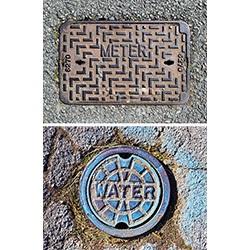
Water meters and curb stop valves can help you locate where water service lines enter your home. If present, they’re typically located at the front of the property near the street or sidewalk, in ground level boxes marked “water” or “meter”. Once found, walk the shortest path to your home – that’s where the service line pipe will enter through the floor or foundation wall. It will likely have a shut off valve a short distance from where it enters.
Inside Meter
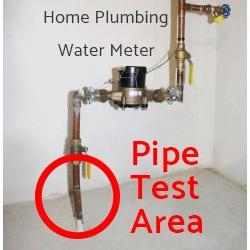
Alternatively, your water meter could be located inside your home’s basement, crawlspace, or garage. The service line will enter the house a few feet underground, through the floor or foundation wall, before connecting to the water meter. There will be shutoff valves on one or both sides of the water meter. Residential service lines are ¾ to 2 inches in diameter.
2. Test the Pipe Material
Once you’ve located where the service line pipe enters your home, find a spot on the pipe closest to the wall/floor before it connects to a valve and/or meter. This is where you will verify the pipe’s material. Have the following items with you:
Refrigerator Magnet
to test if the pipe is made of steel
Coin or Key
to scratch the pipe to reveal the metal’s color and hardness
Flashlight or Mobile Phone Light
to clearly see the above
Plastic
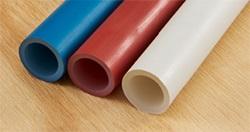
Plastic pipes are found in a variety of materials and colors. When tapped with a coin, they won’t produce a ringing sound like the following metal pipes will.
If your line is plastic, it’s a more recent installation, and will also be free of lead solder. Chances are your home’s internal plumbing is also of low risk for lead.
Copper
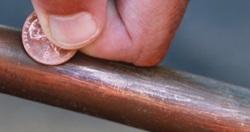
If when scratched the pipe is orange and shiny like a penny, your pipe is made of copper. A magnet will not stick to it.
Though your service line pipe isn’t a source of lead, it could have lead in soldered joints. You may still want to test your water for contamination from other sources in your plumbing, especially if it’s an older system.
Galvanized Steel / Iron
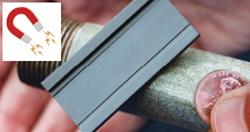
If the pipe is silvery gray, and hard to scratch, place your magnet on it. If the magnet sticks, your pipe is galvanized steel or galvanized iron.
Galvanized pipes may be sources of lead, as they can trap it on inside surfaces and contaminate water even after lead plumbing is removed. If you have a galvanized pipe, it indicates an older installation, and you should have your water tested.
Lead
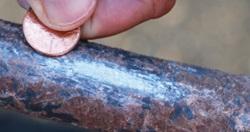
If the pipe is silvery gray and: 1) is easily scratched, 2) the metal seems soft, and 3) a magnet doesn’t stick to it, you likely have a lead pipe.
IMPORTANT
If you have a lead service line, it should be replaced. Please contact us first to ensure the utility-owned portion is inspected and replaced (if needed) at the same time. Partial service line replacement can actually increase the amount of lead released into your water. Until then, you should follow the previous recommendations to reduce your exposure to lead. You should also consider water filters for drinking and cooking, especially if high risk individuals live in the home.
3. Complete the Lead Service Line Survey
EPA legislation requires regulated water utilities implement programs to help consumers identify Lead Service Lines on their property. We’re beginning this work with the Lead Service Line Survey.
Even if your testing indicates your home doesn’t have a Lead Service Line, we still encourage you to complete the Survey. It will help us inventory LSLs in the community for the benefit of all residents.
Thanks for helping us with this important work
If you wish to learn more about the lead inventory initiative, or service line materials, please email lead.line@nexuswg.com.