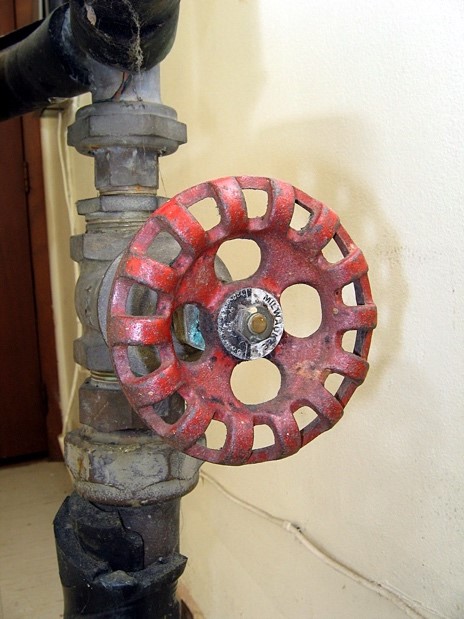
During a severe weather event when power systems and utilities are overwhelmed, you may experience disruptions in the reliability of your water service and potentially ruptured plumbing. While your water and wastewater utility providers are working in these difficult circumstances to deliver safe and reliable water in a way that keeps workers in the field protected, everything that happens in your home is your responsibility. Fortunately, preparing for water issues and turning off the water supply in the event of a problem are not as daunting as you may think.
A ruptured pipe or sewage backup can damage your home, costing thousands of dollars in repairs and water bills. At times like this in Texas, water in your plumbing can freeze due to low temperatures in and around your house or apartment. The water expands when frozen and can burst the pipe.
To mitigate the situation, everyone in your home should know where the water shutoff valve is located and how to turn it off. If you have a home built on “pier and beam,” it is probably located on an interior wall near the front of the house, where the water comes in from the water meter. If your home was built on a slab, the valve might be located near the hot water heater or inside your garage.
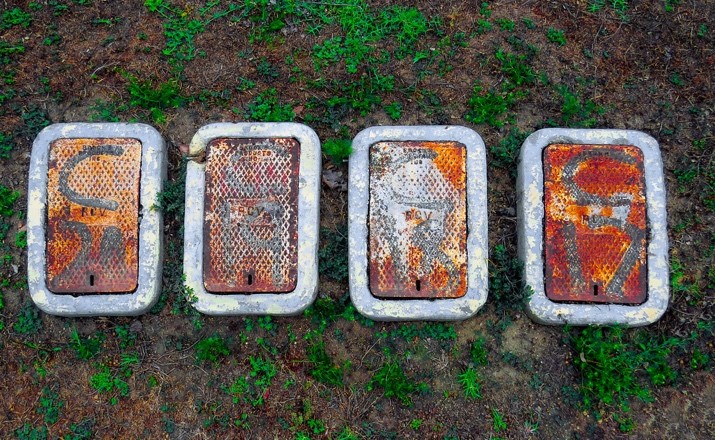
If the valve cannot be found inside your home, the next place to check is near the end of your property line (or street) in a cement or plastic enclosure buried in the ground near your front curb, usually with a rectangular or round metal or plastic top. You may need a special “meter key” to open it or a long screwdriver can work.
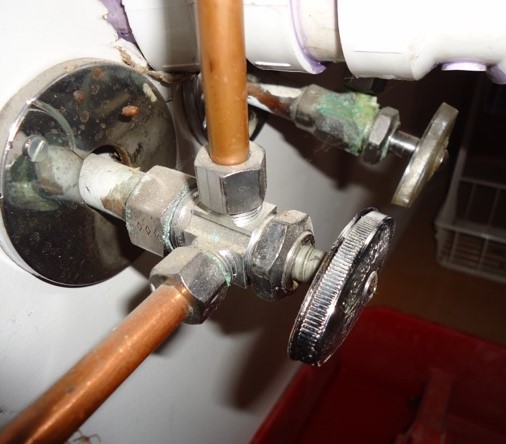
Once you have located it, shut off the water by turning the valve a quarter turn to make it perpendicular to the water pipe (like a lowercase T). If the valve is parallel, it is on. If it is perpendicular (90° angle), it is off. If it is apparent the break or leak is happening at the sink, toilet or major appliance, there may be an “isolation shutoff valve” you can simply turn clockwise to stop the flow of water.
After you successfully turn the water off, or if your water lines appear to be frozen but not burst, it is important to release pressure from your pipes by turning on the hot and cold faucets for when the pipes thaw. This may prevent a ruptured pipe caused when frozen water expands in the plumbing combined with the returning water pressure.
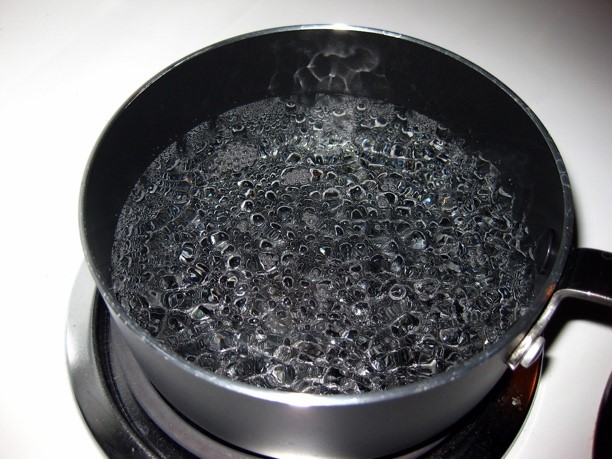
If you are a customer affected by a boil water notice or other disruption (check your status by neighborhood visiting www.swwc.com/winter-freeze-updates-by-neighborhood/), you should use bottled or boiled water for drinking, to prepare and cook food, to brush your teeth or to use as drinking water for pets. If bottled water is not available, bring water to a full “rolling boil” for 1 minute, then allow it to cool before use. You should boil tap water even if it is filtered. Do not use water from any appliance connected to your water line, such as ice and water from a refrigerator.
You do not need to boil water for handwashing provided you use soap for at least 20 seconds, for bathing and showering if you do not allow the water in your mouth, laundry, the dishwasher or washing machine. Consider giving small children a sponge bath to reduce the chance of them swallowing water. If possible, use disposable plates, cups, and utensils during a boil water advisory. You can find more information on our website www.swwc.com/h2ome/learning-center/how-to-understand-a-boil-water-notice/.
Additional tips:
- In the event water flow stops in your home, conserve water for toilet use in particular. Leave liquid waste and when flushing solid waste, you would need to fill the tank manually each time. Reserving buckets of water can help.
- If your home has hot water heating, use caution as water is required to keep that system full and safe.
Should you find yourself needing to be away from your home for an extended period, it is highly recommended that you turn off the main water valve.